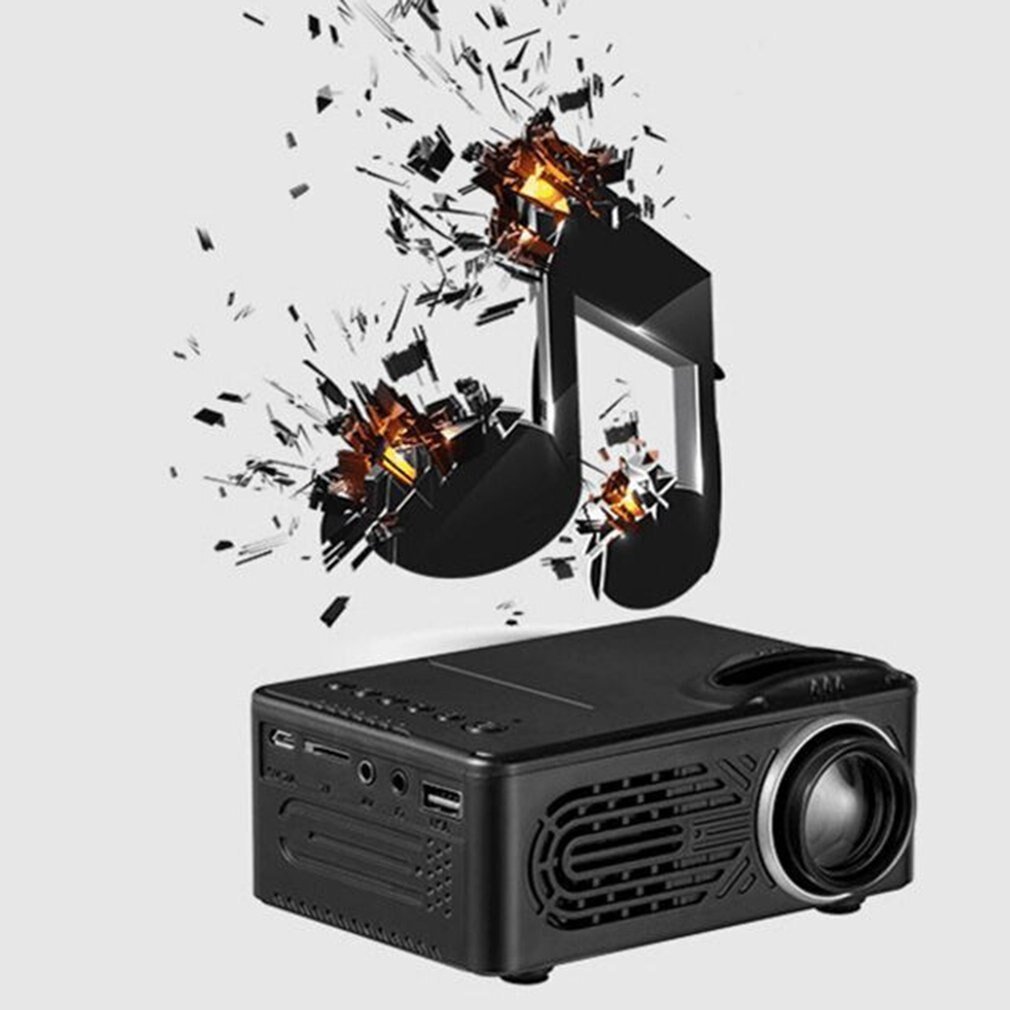
There's a unique magic that only a truly large-format image can deliver—the kind that transports you directly into the scene, enveloping your senses and making you forget the world outside your living room. While flat-screen TVs have grown impressively large, nothing quite replicates the immersive scale of a home cinema projector. This isn't just about size; it's about the advancements in High-Definition Projector Technology that now deliver breathtaking picture quality, turning your casual movie night into a full-blown cinematic event. Imagine your favorite blockbuster sprawling across a 100-inch (or even 200-inch!) screen, vibrant with color, crisp with detail, and practically leaping off the wall. That's the promise of modern high-definition projection, and it's more attainable than ever before.
At a Glance: Key Takeaways for Projector Enthusiasts
- Size Matters: Projectors offer far larger images than most TVs, creating a genuine home theater experience.
- Discreet Integration: Many models, especially ultra short throw (UST) units, can disappear when not in use, preserving your living space aesthetics.
- Picture Quality is King: Focus on resolution (4K), lamp technology (laser for best performance), and contrast for superior visuals.
- Don't Forget the Extras: Budget for a robust external speaker system and a dedicated streaming device—built-in options are often subpar. A quality screen is also non-negotiable.
- Native 4K vs. Pixel Shifting: Understand the difference between true 4K and 4K-like images to choose the right sharpness for your budget.
- Laser Power: Laser projectors offer quick boot-up, accurate colors, and exceptional lifespan, often justifying their higher price.
Why Projectors Still Reign Supreme for True Cinema
You might think a large TV offers the same experience, but it’s fundamentally different. A projector doesn't just display an image; it creates a canvas that fills your field of vision, making you feel more connected to the content. The sheer scale achievable with a projector—often up to 150 inches or more—simply dwarfs even the largest consumer TVs.
Beyond the immersive size, projectors offer incredible versatility. Models like Ultra Short Throw (UST) projectors can sit just inches from your wall, projecting massive images without complex ceiling mounts or unsightly cable runs. When you're done watching, the projector can be tucked away, leaving your room uncluttered. This discreet elegance, combined with the unparalleled cinematic scale, is why projectors continue to be the heart of a true home theater. While the initial investment might seem significant, advancements in high-definition projector technology have made stellar picture quality more accessible, transforming any room into a personal multiplex.
Decoding the Heart of the Image: Core Projector Technologies
The magic behind that stunning, expansive image lies in a few critical technological components. Understanding these will empower you to make an informed decision when selecting your ideal projector.
Light Source: The Power Behind the Pixels
The type of light source a projector uses profoundly impacts its performance, longevity, and even its warm-up time.
- Laser-Based Projectors: These are the new gold standard. Laser light sources offer almost instant on/off capabilities, incredibly accurate color reproduction, and remarkably long lifespans—often 20,000 hours or more, meaning you might never need to replace a "bulb." They're typically brighter and more consistent over time, but generally come with a higher price tag. The Sony VPL-XW5000ES, for instance, is celebrated for being the most affordable truly native 4K laser projector available.
- DLP LED Projectors: LED projectors provide a good balance of brightness, color accuracy, and a respectable lifespan (around 20,000 hours, similar to laser), without the extremely high cost of laser. They’re a fantastic choice for many users, offering a significant upgrade over traditional lamps. The BenQ X3100i, an excellent mid-range option, uses 4LED DLP technology.
- LCD Projectors: While often more budget-friendly, traditional LCD projectors (using UHP lamps) typically require bulb replacements every 3,000-5,000 hours (or more in eco mode). They can still deliver excellent image quality, but the long-term cost of ownership and consistent brightness can be a factor. The Epson Home Cinema 3800, a solid entry-level choice, utilizes 3LCD technology.
Resolution: Chasing That Pixel-Perfect Clarity
When we talk about high-definition, resolution is often the first thing that comes to mind. For crisp, detailed visuals on a large screen, 4K projectors are highly recommended. However, not all "4K" is created equal.
- Native 4K Resolution: This is the purist's choice. Native 4K projectors, like the high-end Sony VPL-XW5000ES or Sony Bravia Projector 8, output approximately 8 million pixels directly from the chipset. This results in the most authentic and sharpest image possible, with individual pixels so small they virtually disappear. These projectors are generally at the higher end of the price spectrum.
- Pixel Shifting 4K: Many excellent projectors achieve a 4K-like image through a clever technique called pixel shifting. These projectors take two Full HD (1920 x 1080) versions of the picture and project them sequentially, with the pixels slightly offset or "shifted" between each projection. Your eye perceives these rapidly shifted images as a single, higher-resolution 4K image (3840 x 2160). It's incredibly effective, and for most viewers, the difference from native 4K is subtle, especially from a normal viewing distance. The Epson Home Cinema 3800 and BenQ X3100i are great examples of projectors using 4K pixel shifting. If you're looking for a deeper dive into high-definition technologies and how they compare across different display types, understanding this distinction is crucial.
Color & Contrast: The Soul of a Stunning Picture
Beyond resolution, the vibrancy of colors and the depth of contrast are absolutely crucial for a truly stunning picture, especially when rendering dark shades and creating a sense of three-dimensionality.
- Contrast: This refers to the difference between the brightest whites and the darkest blacks a projector can produce. High contrast ensures good black depth, adding realism and impact to your images. While no projector can match the perfect blacks of an OLED TV, modern high-definition projector technology has made significant strides. Projectors like the Sony VPL-XW5000ES are praised for their impressive black levels, bringing more cinematic punch to every frame.
- Color Accuracy: A projector's ability to reproduce colors faithfully is paramount. Rich, balanced, and accurate colors bring scenes to life. Many projectors now support High Dynamic Range (HDR10 and HLG), expanding the range of brightness and colors displayed, offering a more vivid and lifelike image. Some, like the Hisense PL2 and PX3-Pro, even support HDR10+ and Dolby Vision, providing the most advanced HDR experiences.
Epson's PRO-UHD projectors, for example, leverage several advanced technologies to achieve stunning image quality: - 4K Enhancement Technology (4Ke): Not only does it upscale non-4K content beautifully, but it also accepts 4K UHD signals, ensuring compatibility with the latest content.
- High Dynamic Range (HDR10): This expands brightness and contrast, alongside offering full 10-bit color depth for incredibly vibrant images.
- 100% Balanced Color Brightness: This ensures that all colors are rendered with equal brightness, preventing washed-out or dull hues often seen in projectors that prioritize white brightness.
- Advanced 3-Chip Design (3LCD): This design produces true-to-life color without relying on a color wheel, eliminating the "rainbow effect" sometimes associated with single-chip DLP projectors.
- Rich Black Contrast: Improved lens iris designs contribute to higher contrast ratios, giving scenes more depth and detail, especially in shadows.
- Lab Ultra-wide Color Gamut:* This extensive color space covers 100% of the DCI-P3 Color Space, which is 50% wider than standard sRGB and Rec.709, resulting in a significantly richer and more nuanced palette.
Throw Ratio: Adapting to Your Space
The "throw ratio" dictates how far your projector needs to be from the screen to produce a given image size.
- Ultra Short Throw (UST): This is a game-changer for many homes. UST projectors can project a massive image (e.g., 100 inches) from an incredibly short distance—just inches from the wall or screen. This eliminates the need for ceiling mounts, long cable runs, or viewers casting shadows on the screen. They're perfect for smaller rooms, apartments, or anyone who wants a large image without permanently altering their living space. The Hisense PL2 and PX3-Pro are prime examples of excellent UST projectors.
Beyond the Box: Essential Projector Accessories You Can't Skip
While the projector itself is the star, its supporting cast of accessories is crucial for a truly premium experience. Skimping here is like buying a high-performance car and putting bicycle tires on it.
- A Dedicated Speaker System: Projectors, by their nature, prioritize image over audio. Built-in speakers are almost universally subpar, offering thin sound that undermines the cinematic grandeur of the visuals. Budget for a separate soundbar, a surround sound system, or even a good pair of bookshelf speakers. You'll thank yourself for the immersive audio experience.
- A Quality Projector Screen: Projecting onto a plain white wall might seem economical, but it severely compromises picture quality. A dedicated projector screen is engineered to reflect light evenly, enhance contrast, and often combat ambient light.
- High-gain screens are designed to amplify brightness and combat ambient light, making them suitable for moderately lit rooms.
- Low-gain screens provide a wider viewing angle and accurate color reproduction, ideal for dedicated, light-controlled home theaters. Choosing the right screen for your environment is as important as choosing the projector itself.
- A Separate Streaming Device: Many projectors include smart TV platforms, but they are often clunky, slow, or lack support for all your favorite apps. A dedicated streaming stick or box (like an Apple TV 4K, Roku Ultra, or Amazon Fire TV Stick 4K Max) will offer a smoother, faster, and more reliable user experience with access to all the apps you need.
How We Test Projectors: Our Unwavering Pursuit of Picture Perfection
To ensure our recommendations are trustworthy and accurate, we put every projector through a rigorous testing process. We don't just unbox them and turn them on; we meticulously evaluate them in a controlled environment.
Our dedicated testing room features a 100-inch screen and a variety of external sources, including 4K Blu-ray players, top-tier streamers, and the latest game consoles. Each projector is positioned and calibrated, then evaluated side-by-side with its rivals. We throw everything at them, from pristine 4K Blu-rays to standard definition DVDs, assessing their strengths and weaknesses across a wide range of content.
Every picture setting is individually tweaked for optimal visual performance, ensuring the projector is showing its absolute best. Our team of seasoned reviewers conducts fair, consistent, and thorough evaluations, focusing on real-world performance metrics like color accuracy, contrast, black levels, motion handling, and gaming responsiveness. This meticulous methodology ensures that our advice is based on comprehensive, hands-on experience, helping you choose with confidence.
Our Top High-Definition Projector Recommendations (2025)
After countless hours of testing and critical evaluation, here are our picks for the best high-definition projectors that truly elevate your cinematic experiences.
Best Projector Overall: Sony VPL-XW5000ES
Core Fact: This is the cheapest truly native 4K laser projector on the market, offering unparalleled sharpness for its price point.
The Sony VPL-XW5000ES stands out for delivering a picture that's nothing short of breathtaking. Its native 4K SXRD panel produces stunning detail and clarity, making every pixel count. Coupled with a laser light source, you get impressive brightness, accurate colors, and virtually no maintenance for its long lifespan. The X1 Ultimate picture processing, borrowed from Sony's high-end TVs, further refines the image, resulting in incredible depth and realism. While manual lens controls might be a minor inconvenience and dark HDR scenes can occasionally lose a touch of detail, its overall picture quality and impressive black levels make it our top pick. Just be aware it lacks 4K/120Hz gaming support for the most demanding gamers.
- Specifications: Laser SXRD, 3840 x 2160 native 4K, up to 200-inch screen, 2 x HDMI 2.0, USB A.
- Pros: Stunning native 4K detail, impressive black levels/contrast, excellent X1 Ultimate picture processing, laser light source (no lamp replacement).
- Cons: Poor manual lens controls, dark HDR scenes can lose detail, no 4K/120Hz gaming support.
Best Entry-Level Projector: Epson Home Cinema 3800
For those just dipping their toes into the home theater world without breaking the bank, the Epson Home Cinema 3800 is an outstanding entry point. Despite its "entry-level" tag, it punches well above its weight with excellent contrast and balanced color thanks to its 3LCD technology. Its 4K pixel shift delivers a sharp, detailed image that rivals more expensive units. With 3000 lumens, it’s bright enough to be usable in moderately lit rooms, giving you more flexibility. Connectivity is robust with dual HDMI 2.0 and USB ports, plus Bluetooth audio for easy sound system integration. It even supports 3D content for those who enjoy it.
- Specifications: 3LCD, 4K pixel shift, HDR, 100,000:1 contrast, 2 x HDMI 2.0, 2 x USB 2.0, 3D support, 3000 lumens, 5,000/3,000 hours lamp life (eco/normal).
- Pros: Excellent contrast, balanced color, good connectivity, easy setup, usable in moderately lit rooms, Bluetooth audio.
- Cons: No 4K motion processing.
Best Mid-Range Projector: BenQ X3100i
Don't let the "gaming projector" label fool you; the BenQ X3100i is a superb all-rounder that shines for both movies and games. Its 4LED DLP technology provides a bright 3300 lumens and a long lamp life, combined with impressive picture quality via DLP XPR pixel shifting for a 3840x2160 image. The 'SSI' Dynamic Black offers a claimed 600,000:1 contrast, ensuring deep blacks and vibrant colors, further enhanced by HDR10 and HLG support. Gamers will appreciate its 4K/60Hz and 1080p/120Hz support with ALLM, while movie buffs get eARC for high-quality audio passthrough. It’s an award-winner for a reason.
- Specifications: 4LED DLP, 2 x HDMI 2.0b, 3300 lumens, 3840x2160 (via DLP XPR pixel shifting), HDR10, HLG, 'SSI' Dynamic Black (600,000:1 claimed contrast).
- Pros: Excellent all-round picture, good gaming features (4K/60Hz, 1080p/120Hz, ALLM, eARC), long LED lamp life, Award-winner.
- Cons: Limited Android TV system, no 4K/120Hz or Dolby Vision, slight rainbow effect.
Best High-End Projector: Sony Bravia Projector 8 (VPL-XW6100ES)
For those pursuing the ultimate cinematic fidelity, the Sony Bravia Projector 8 sets an incredibly high bar. This laser diode SXRD (LCoS) projector delivers absolutely stunning contrast and detail resolution, with black depths that are simply mesmerizing. With HDMI 2.1 support, it caters to the latest gaming consoles, offering 4K/120Hz and ALLM for an ultra-smooth experience. The motorized lens adjustment system simplifies setup and fine-tuning, ensuring a perfectly aligned and focused image. It’s an investment, but the picture quality is truly next-level, making it a standout in high-definition projector technology.
- Specifications: Laser diode, SXRD (LCoS), 2 x HDMI 2.1, 2700 lumens.
- Pros: Excellent contrast/detail resolution, stunning black depth, HDMI 2.1 (4K/120Hz, ALLM), motorized lens adjustment system.
- Cons: Expensive.
Best Ultra Short Throw Projector: Hisense PL2
The Hisense PL2 delivers on the promise of effortless, large-screen viewing from just inches away. This 4K Smart Laser Cinema offers a balanced and consistent picture with good dark detail, making it a fantastic choice for living rooms. Its support for all four major HDR formats (HDR10, HDR10+, Dolby Vision, HLG) means you’ll get the best dynamic range from nearly any source. With 2700 ANSI lumens, it’s bright enough for many environments, and Google TV is built-in for smart functionality. Its value proposition is strong for an UST, making it a compelling alternative to a large TV.
- Specifications: 4K (3840 x 2160) native resolution, HDR10, HDR10+, Dolby Vision, HLG, 4K Smart Laser Cinema light source, Google TV, 80-150-inch picture size, 3000:1 contrast, 2700 ANSI lumens, 2 x HDMI 2.1, 1 x HDMI 2.0 with eARC.
- Pros: Balanced/consistent picture, good dark detail, short throw distance, supports all four HDR formats, good value.
- Cons: Middling upscaling, average audio (external recommended), limited to 4K/60Hz (1080p/120Hz possible).
Best Premium Ultra Short Throw Projector: Hisense PX3-Pro
For those seeking a truly premium UST experience, especially if you're a gamer, the Hisense PX3-Pro is a stellar choice. Certified "Designed for Xbox Series," it excels for both gaming and movies. Its Trichroma RGB laser light source delivers an incredible 110% BT.2020 color space, meaning colors are exceptionally vibrant and accurate. You get fantastic shadow detail and great HDR performance, along with IMAX Enhanced support for an even more premium cinematic feel. Gaming features are top-notch, with 4K/120Hz and ALLM via HDMI 2.1, setting it apart. While its audio is middling (as with most projectors) and blacks can appear slightly grey compared to top-tier long-throw projectors, its overall package is incredibly impressive.
- Specifications: 4K (3840 x 2160) native resolution, HDR10, HDR10+, Dolby Vision, HLG, Trichroma RGB laser light source, Google TV, 80-150-inch picture size, 3000:1 contrast, 3000 ANSI lumens, 2 x HDMI 2.1, 1 x HDMI 2.0 with eARC.
- Pros: Good shadow detail, great HDR performance, excellent gaming features (4K/120Hz, ALLM), 110% BT.2020 color space, IMAX Enhanced support.
- Cons: Middling audio (external recommended), blacks appear slightly grey, less accomplished with sub-4K/SDR content, motion can be inconsistent.
Making the Smart Choice: Key Considerations for Your Home Theater
Choosing the right high-definition projector involves a bit of self-reflection about your specific needs and environment.
- Your Budget: Projectors range wildly in price. Determine your comfort zone and prioritize features within that range. Remember to factor in accessories!
- Your Room Environment:
- Ambient Light: If you have a dedicated dark room, a lower lumen projector might suffice. For living rooms with some ambient light, look for higher lumen counts (2500+ ANSI lumens) and consider a high-gain screen.
- Room Size & Layout: This impacts your throw distance. Will you mount it on the ceiling, place it on a coffee table, or do you need an Ultra Short Throw unit?
- Primary Use: Are you mostly watching movies, gaming, or a mix of everything? Gamers will want lower input lag and 4K/120Hz support where available. Movie buffs will prioritize contrast and color accuracy.
- Connectivity Needs: Ensure the projector has enough HDMI inputs (and the correct version, e.g., HDMI 2.1 for 4K/120Hz gaming) for all your devices.
- Noise Level: Projectors have fans. Check reviews for fan noise, especially if you plan to sit close to the unit.
Future-Proofing Your Cinematic Sanctuary
As high-definition projector technology continues to evolve, keeping an eye on future trends is wise. The move towards laser light sources is undeniable, offering longevity and consistent performance. HDMI 2.1 is becoming increasingly important, especially for next-gen gaming and high-bandwidth 4K content. While you don't need to chase every bleeding-edge spec, investing in a projector with modern connectivity and a reliable light source will ensure your home cinema remains spectacular for years to come.
Elevate Your Entertainment: Your Next Steps to Projector Nirvana
The world of high-definition projectors has never been more exciting. With options ranging from budget-friendly pixel shifters to truly native 4K laser powerhouses, there’s a projector out there perfectly suited to transform your viewing experience. By understanding the core technologies, prioritizing essential accessories, and considering your unique home environment, you're well on your way to creating a cinematic sanctuary that will be the envy of your neighborhood.
Don't settle for "big screen" when you can have "cinematic scale." Take the leap, do your research, and prepare to be utterly immersed in your favorite content like never before. The future of home entertainment is bright, expansive, and incredibly detailed—it's waiting for you on the big screen.